Tina Lorenz · 4 November 2026
Mivara Elders Share Oral Histories Through Digital Storytelling Project
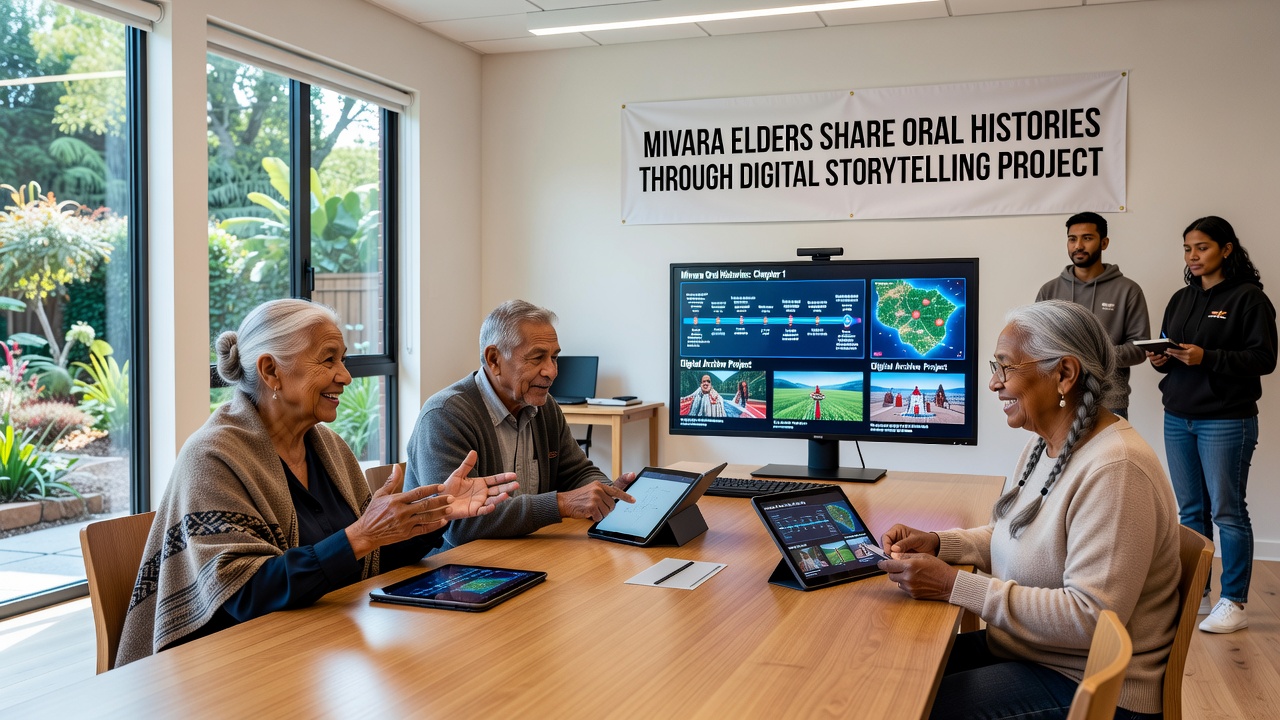
Community leaders in Mivara launched a digital storytelling initiative in early 2026 that pairs local elders with multimedia tools to record and archive oral histories passed down through generations, and the project reached a key milestone with expanded workshops held throughout November 2026. Researchers from regional heritage organizations documented how participants use audio software, video editing platforms, and interactive web maps to preserve stories about migration patterns, seasonal rituals, and local trade networks that predate written records in the area.
Project Origins and Structure
Local historians first proposed the effort after reviewing gaps in the municipal archive where paper documents covered only events after 1850, yet oral accounts extended much further back, and the digital format allows those accounts to reach younger residents who prefer screen-based access. Elders select narrative themes during initial interviews, then teams of volunteers assist with recording sessions that capture voice, gesture, and sometimes accompanying demonstrations of traditional crafts or navigation techniques along the river.
Training modules cover basic microphone placement, file naming conventions, and metadata tagging so each story includes date references, speaker biographies, and geographic coordinates tied to specific locations mentioned in the tales. Data from the first cohort showed that sessions averaged ninety minutes and produced between four and six edited clips per participant, with files uploaded to a password-protected community portal that also generates public-facing excerpts for educational use.
November 2026 Workshops and Participation
November 2026 saw three consecutive weekend intensives that drew thirty-two elders and seventy-eight supporting family members, and organizers coordinated with the Mivara public library to provide additional recording booths during weekday afternoons when demand peaked. Attendance logs indicate that stories about pre-industrial fishing methods and boundary disputes between neighboring settlements accounted for the largest share of submissions, while smaller numbers addressed medicinal plant knowledge and seasonal weather prediction methods still referenced by current farmers.
Technical partners supplied tablets preloaded with open-source editing applications, and each device returned at the end of the month with completed projects ready for review by a panel of linguists who verify dialect consistency across recordings. One session featured a live demonstration where an elder walked a group through the steps of constructing a traditional net while narrating the accompanying song cycle, and the resulting video now serves as a template for subsequent participants who wish to include physical demonstrations.
Technical Tools and Archival Standards
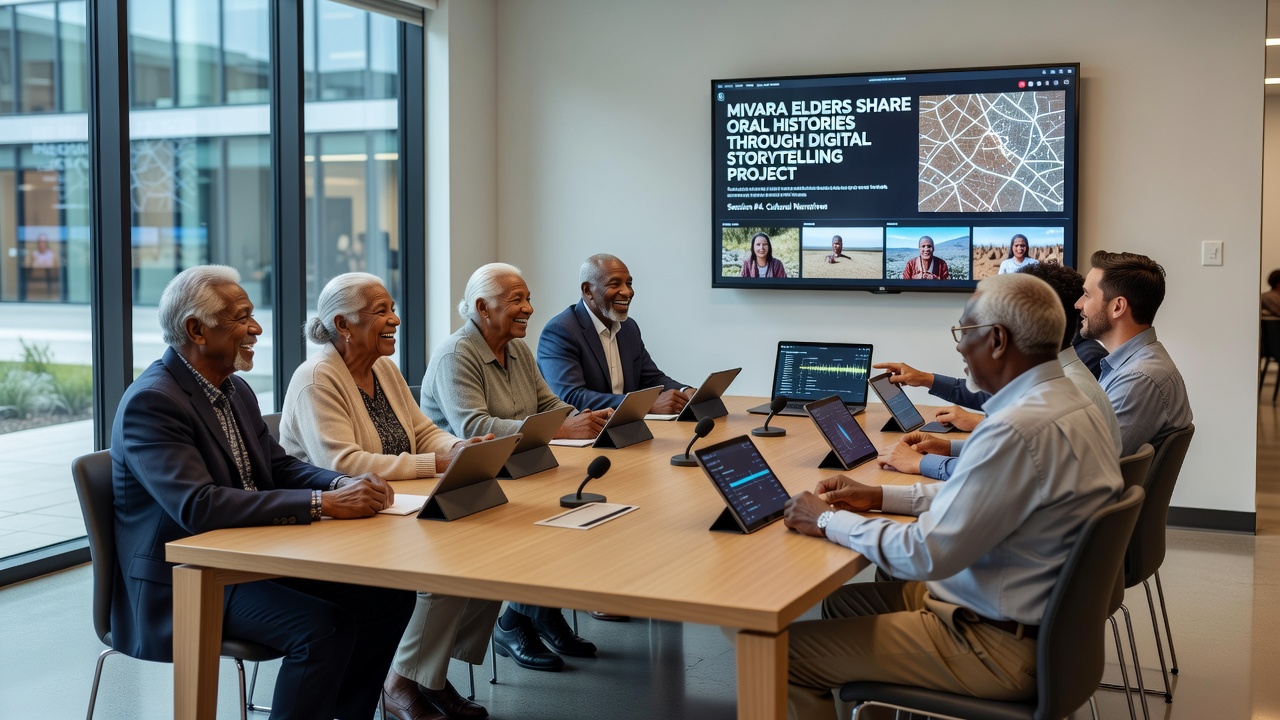
Participants adopted a standardized file structure that aligns with international guidelines for intangible cultural heritage documentation, and this approach allows future integration with larger European databases without reformatting. Software choices emphasized accessibility so users with limited prior experience could navigate menus through large-button interfaces and voice-command options, while backend systems automatically generate transcripts in both the original dialect and a standardized regional language for broader searchability.
According to UNESCO guidelines on oral traditions, projects that combine community control with digital preservation increase the likelihood that younger generations will engage with source material. The Mivara team incorporated similar principles by requiring elder approval before any clip moves from the private archive to public display, and consent forms specify whether stories may appear in full or require redaction of sensitive details about family lineages or resource locations.
Community Reach and Educational Integration
Schools in the district began incorporating selected clips into social studies units during the autumn term, and preliminary feedback collected by teachers showed students could identify at least three previously unknown place names on local maps after viewing the mapped stories. The project also established a mentorship track where participating elders visit classrooms once per month to answer questions that arise from the recordings, and this direct interaction has produced follow-up interviews that expand on topics only briefly mentioned in the initial digital files.
Library staff report that requests for related print materials increased by forty percent during the same period, suggesting the digital stories function as entry points rather than replacements for traditional research. External evaluators from a Canadian research institute tracking similar initiatives noted that the combination of elder-led content creation and youth-oriented delivery platforms mirrors successful models documented in University of Ottawa studies on Indigenous digital archives, although Mivara's version remains entirely community governed without external institutional ownership of the source files.
Future Phases and Sustainability Measures
Project coordinators have scheduled equipment maintenance training for early 2027 so that community members can handle routine repairs without relying on outside technicians, and a small grant from the regional cultural fund covers replacement parts through the end of the decade. Plans also include development of a mobile application that would allow users to access geo-tagged stories while walking the physical locations described, although testing remains limited to internal volunteers until privacy protocols receive final approval from the elders' advisory group.
Observers note that the initiative has already prompted neighboring settlements to request information sessions about replicating the model, and the Mivara team prepared a modular toolkit that outlines equipment lists, consent templates, and basic workflow diagrams for groups interested in starting parallel efforts. Storage infrastructure currently resides on servers hosted by the municipal IT department, with nightly backups mirrored to an offsite facility to guard against data loss from localized power or connectivity disruptions.
Conclusion
The digital storytelling project demonstrates how Mivara elders continue to transmit knowledge through contemporary formats while maintaining control over content and access, and November 2026 activities confirmed both high participation rates and measurable uptake in local educational settings. Ongoing documentation will track whether the archived materials influence future community decisions about land use or cultural programming, yet the immediate record shows a functioning system that pairs traditional narrative authority with accessible technology.